Navigating Data Chaos: Why Client-Side Tracking Falls Short
Client-Side tracking uses your website visitors’ browsers (the client) to send data directly to a server. Currently it is the typical tracking method that almost all websites use.

The Mechanics of Client-Side Tracking
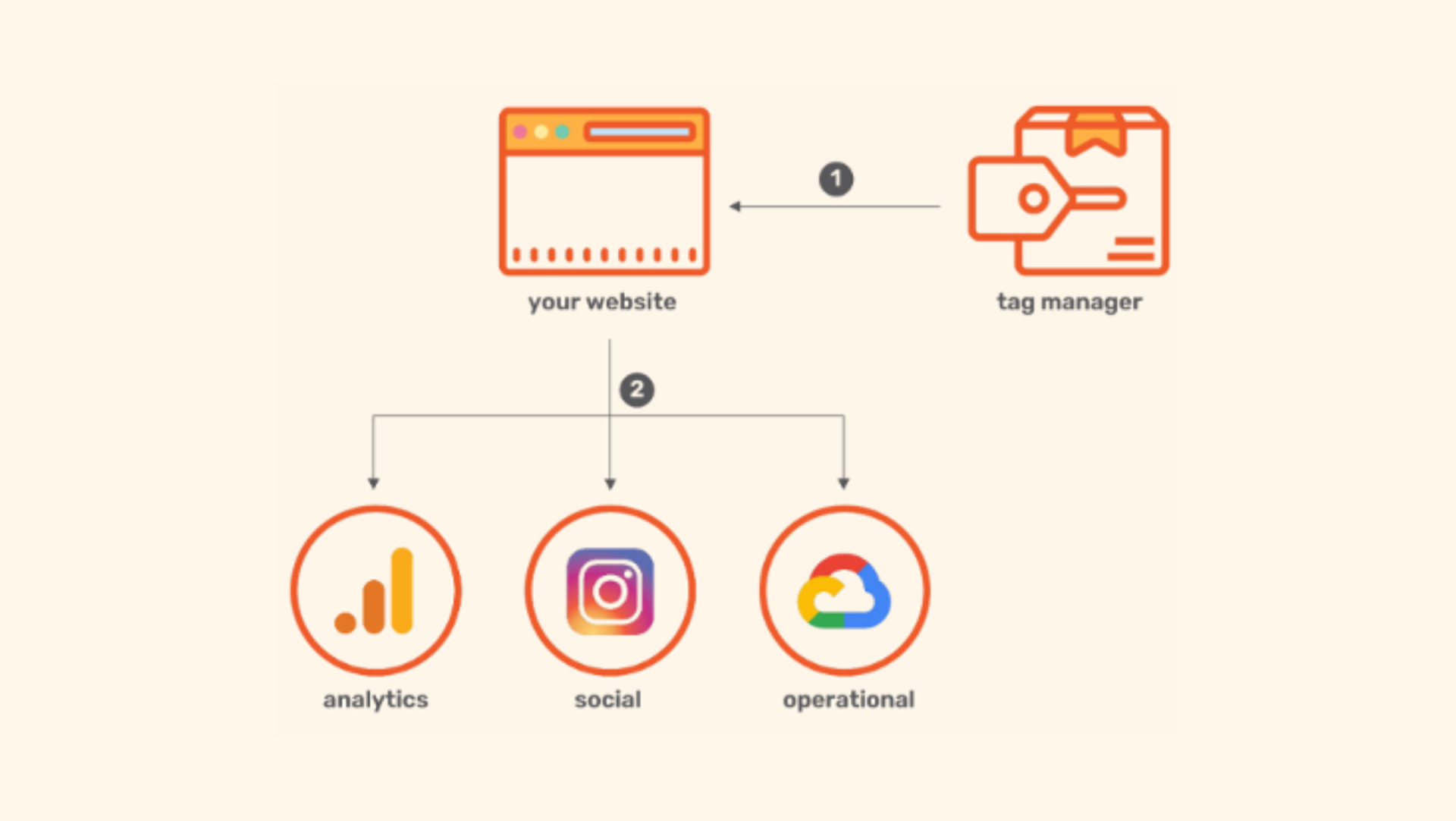
With Client-Side tracking almost every website action takes place in the visitor’s browser. When your website receives a visitor, a tag manager runs through that visitor’s browser, reads the data layer, and sends requests to third parties along with the related data.
All these requests are sent via the visitor’s browser and the tag manager. Analytics and most third-party scripts leave cookies in that browser enabling the scripts to recognise the visitor when accessing the site again.
If a visitor uses an ad blocker, none of this will happen. Or, if the browser declines third-party cookies, you won’t be able to run remarketing campaigns through a Client-Side tracking configuration.
Today, the most common use of third-party cookies is tracking user behaviour across different websites for advertising and analytics purposes. As such, these third-party cookies are a crucial feature in the digital advertising landscape and are used by companies like Alphabet, Meta, Amazon, Criteo, Adobe,…
The Era of Privacy Awareness
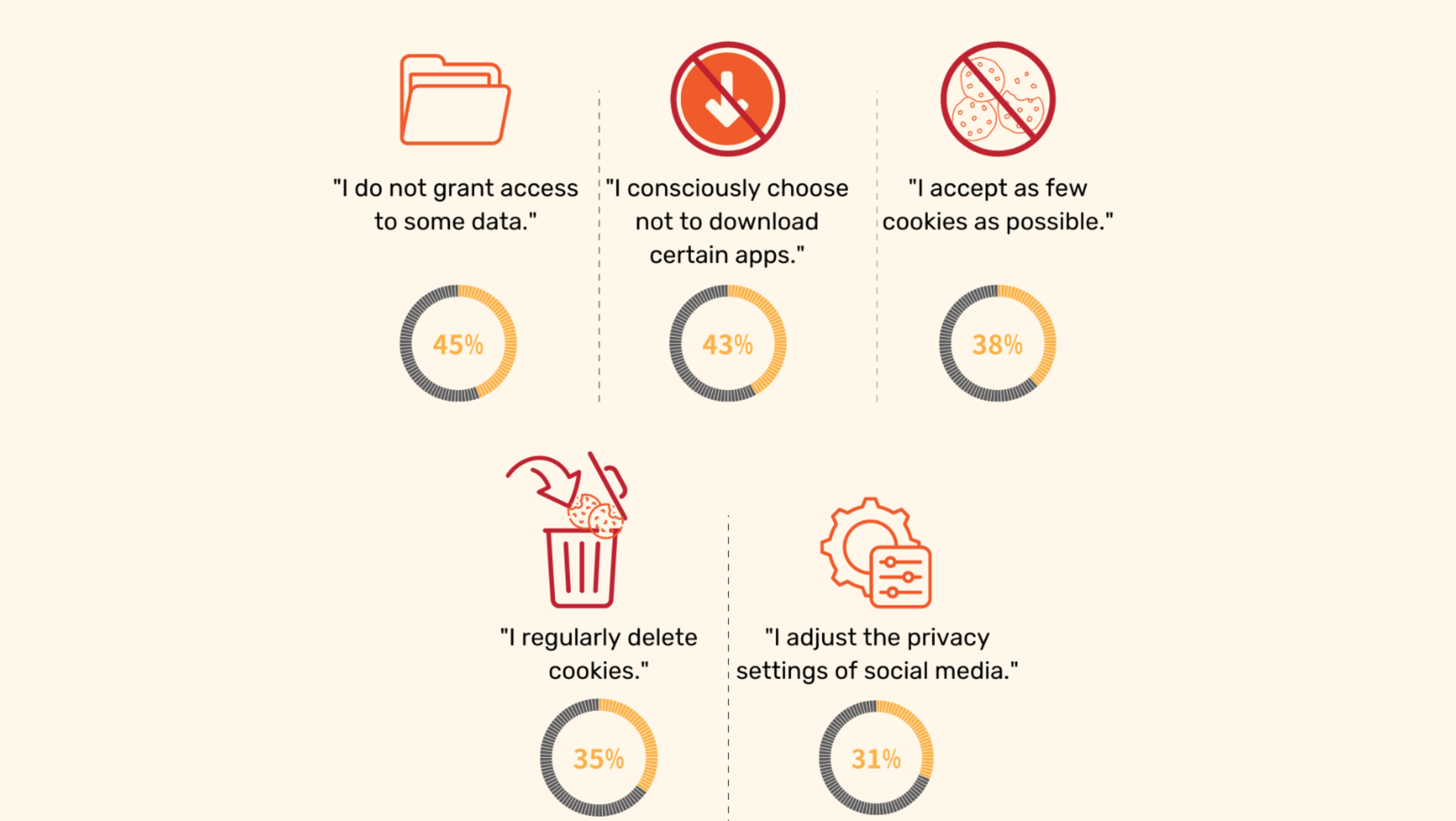
The increasing digitalisation of our daily activities has led to a natural progression of sharing more information online. However, this connectivity also brought a greater awareness of the consequences of sharing information online. It’s estimated that approximately 30 to 60% of internet users regularly decline cookies.
According to a survey from Imec, people have growing concerns about the utilisation of their personal information online. Overall, 56% of people express concerns about online privacy. At the same time the survey observed a decline in our willingness to share data. Only 27% (-3% versus previous survey) of those surveyed indicated a willingness to share data in exchange for something (source: Digimeter Imec, 2023).
The survey also reveals that 34% regard “privacy” as a critical differentiator, underscoring the importance for companies and organisations to be transparent and take full control when it comes to collect customer data.
Privacy Regulations
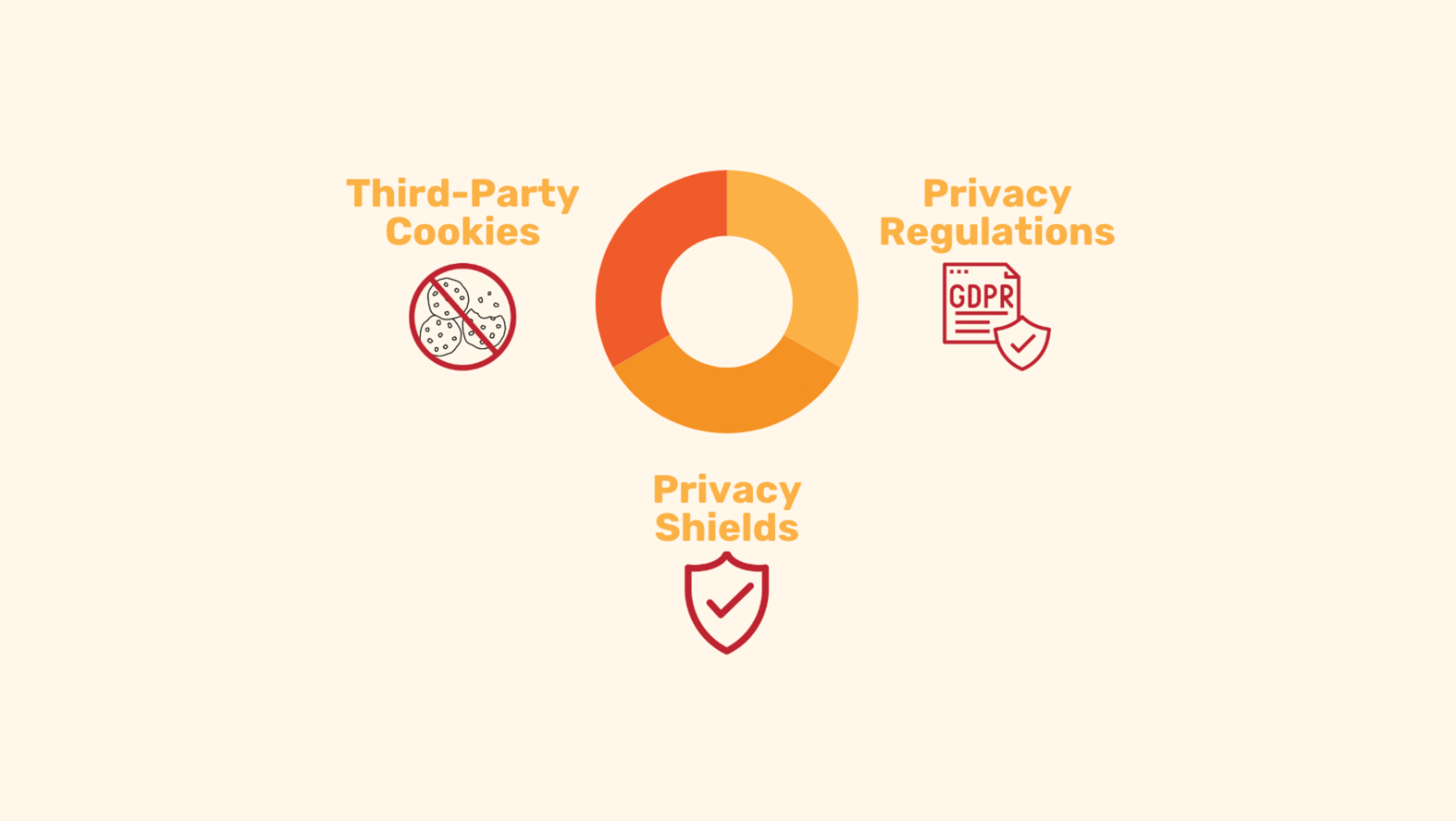
Both the GDPR (EU) and the CCPA (US) have significantly impacted the landscape of data privacy regulations. These regulations compel companies and organisations to adopt stricter measures to safeguard user privacy and data rights.
As a result, digital platforms are now facing pressure to adopt alternative methods of data collection. Particularly when it comes to Client-Side identifiers such as third-party cookies. With the limitations imposed by regulations, the use of these identifiers has become more challenging.
Privacy Shields
Many modern browsers have a “Privacy Shield” feature which, if enabled, can block third-party marketing and analytics tags or even Client-Side tag management implementations.
Safari and Firefox have default privacy shields since 2017 and 2019. Google Chrome will block third-party cookies by the end of 2024 (see further). Given Chrome’s dominance, this accelerates the need for companies and organisations to find alternatives.
Third-Party Cookies
Client-Side tagging relies heavily on third-party cookies and most browsers have started to ban these cookies or will start to ban these cookies in the future.
Third-party cookies have been used by advertisers for several decades. It turned Google (Alphabet) into one of the world’s biggest digital ad space seller, and created a multi-billion dollar industry.
However, today, we are reaching the end of the third-party cookie era. Make sure you are prepared for the possible chaos that will ensue when Google discontinues third-party cookies by the end of 2024.
So, it's time to revisit what marketeers can do to minimise the consequences of the third-party cookie depreciation and, more importantly, how to regain full control of their website data.