Becoming a privacy-first company - 2: Where we're going
Welcome to the second episode of of our series about how to become a privacy-first company. If the first chapter left you feeling flustered (btw, how did that GDPR test go?), rest assured: it’s not all doom and gloom and pesky legislation. While we’d argue that taking a privacy-first approach is no longer optional, embracing this fact and going all-in can be a major strategic advantage too. Here’s why.

Privacy-first marketing 101
The twin challenges of privacy-aware customers and legislation are slowly but surely putting an end to the personal data free-for-all in marketing. In fact, a replacement is already here. Privacy-first marketing is exactly what it sounds like: marketing, but with 3 key privacy principles baked in:
respect for users' personal rights
in compliance with relevant privacy regulations
protection of user data from mismanagement and security breaches
The Big Worry here is whether compliance and trustworthiness come at the expense of actionable marketing insights, i.e., providing great customer experiences through personalisation.
Trust is key
From Tim Berners-Lee’s Solid specification to Web3: users are taking full control over their personal data and who can access it. Moreover, in addition to convenience, speed and personalisation, trust has become a major differentiator for customers – which is why transparency about which data you’re collecting, and what you’re doing with it is key.
After all, customer trust is more valuable than ever: to create compelling customer experiences without relying on third-party data or breaching any privacy laws, your company needs to forge direct customer relationships.
Catch up on our 10 rules for a kick-ass customer experience
Three concepts to grasp
Dark patterns are deliberate digital design choices with the goal of manipulating or heavily influencing users to act against their own best interests. As such, they stand in complete opposition to everything we’ve talked about so far. Types and examples of dark patterns can be found here.
Consent management is a system or process that informs and enables users to determine which personal data they share with your company. Many consent management processes today are widespread with dark patterns: they’re intentionally confusing or designed in a way that users are more likely to share more personal data.
To fight this, alternative browsers like Firefox and Brave have developed tools to automatically decline cookie consent, kind of like adblockers do with ads. Within a few years, close to 100% of users will likely refuse to consent to cookies.Contextual advertising is a great way to minimise the use of personal data while still launching digital campaigns. Instead of targeting specific users, ads are based on the context in which they are displayed, e.g., banners for lifestyle products on lifestyle blogs, and financial advisors on the economics pages of a newspaper.
If that sounds like old-school advertising... you’re absolutely right. But it does offer an accessible way to keep launching very effective digital campaigns. Moreover, tools like dynamic content optimisation (DCO) can automatically adapt your ads depending on the context in which they are shown, making the whole process even easier.
Companies have to start taking cookie consent a lot more seriously.
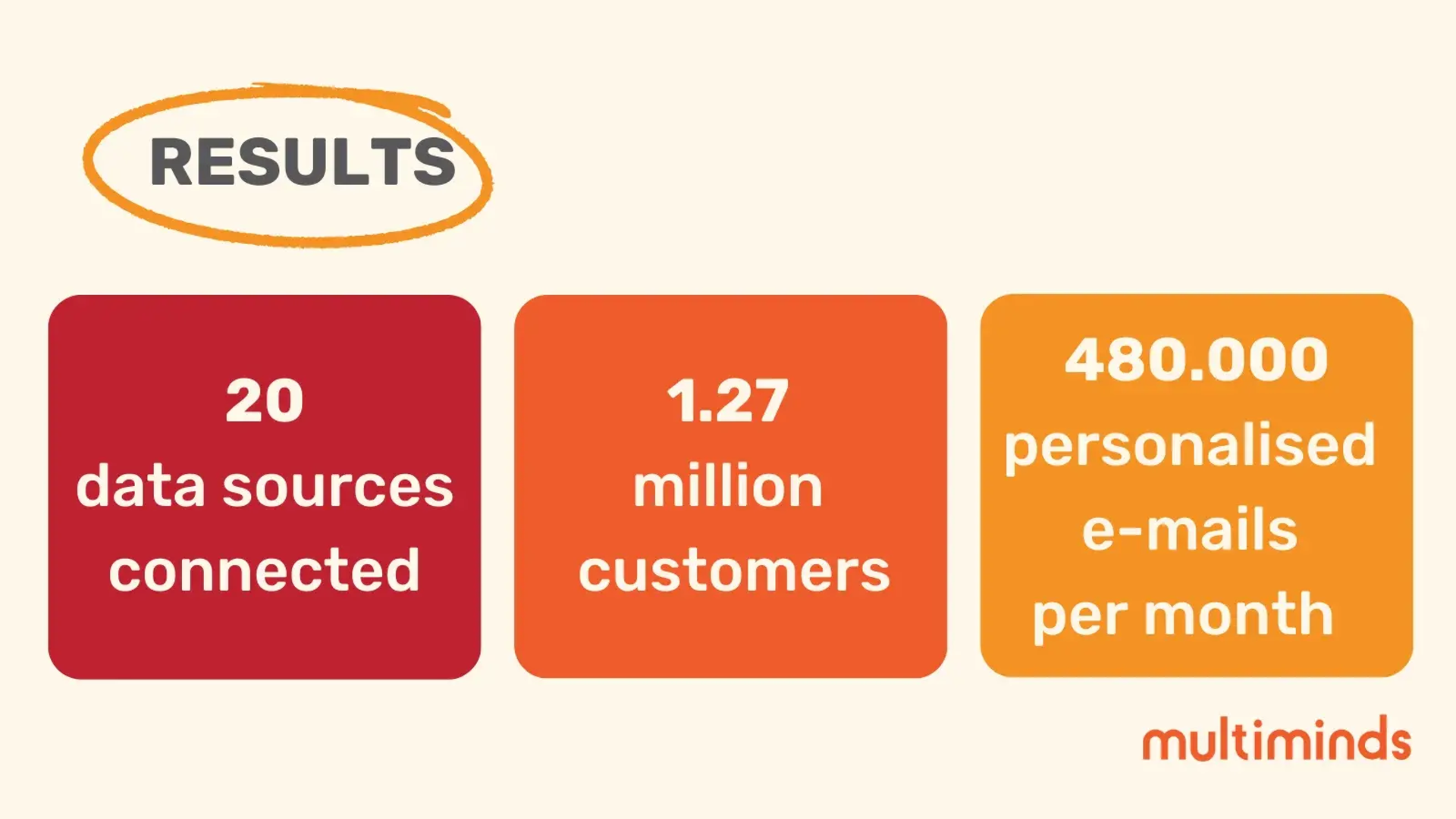
Privacy meets personalisation at Partenamut
As a health insurance provider, Partenamut has access to some very personal customer data. This means they had to be extra careful when setting up an omnichannel strategy that would allow them to deliver the right message to the right user at the right time. Here’s how they pulled it off, with Tealium and MultiMinds.
Homework | Discover the value of privacy-first data
At MultiMinds, we’re firm believers in a three-step approach called ‘discover-define-deploy’. In essence, it means that we like to think things through before implementing shiny new technologies or tinkering with old ones. Hard, we know. But you’ve got this!
Up next: Time to talk strategy
Now that we know where we're headed, it's time to think strategy. Stay tuned for the next chapter!