Beyond the Horizon: Exploring Diverse Strategies for Server-Side Tracking
What is Server-Side tracking? We delve into the essentials of Server-Side Tracking and three distinct implementation strategies, each offering a nuanced approach to Server-Side tracking.

It Can Be Different: Exploring the Frontier of Server-Side Tracking
Unlike Client-Side tracking, where data is communicated directly between the browser and a tracker (third-party cookies or pixels), Server-Side tracking collects data on its own server. The data is sent to this server before trackers like the Facebook Pixel can process them. This gives website owners complete control over the collected data.
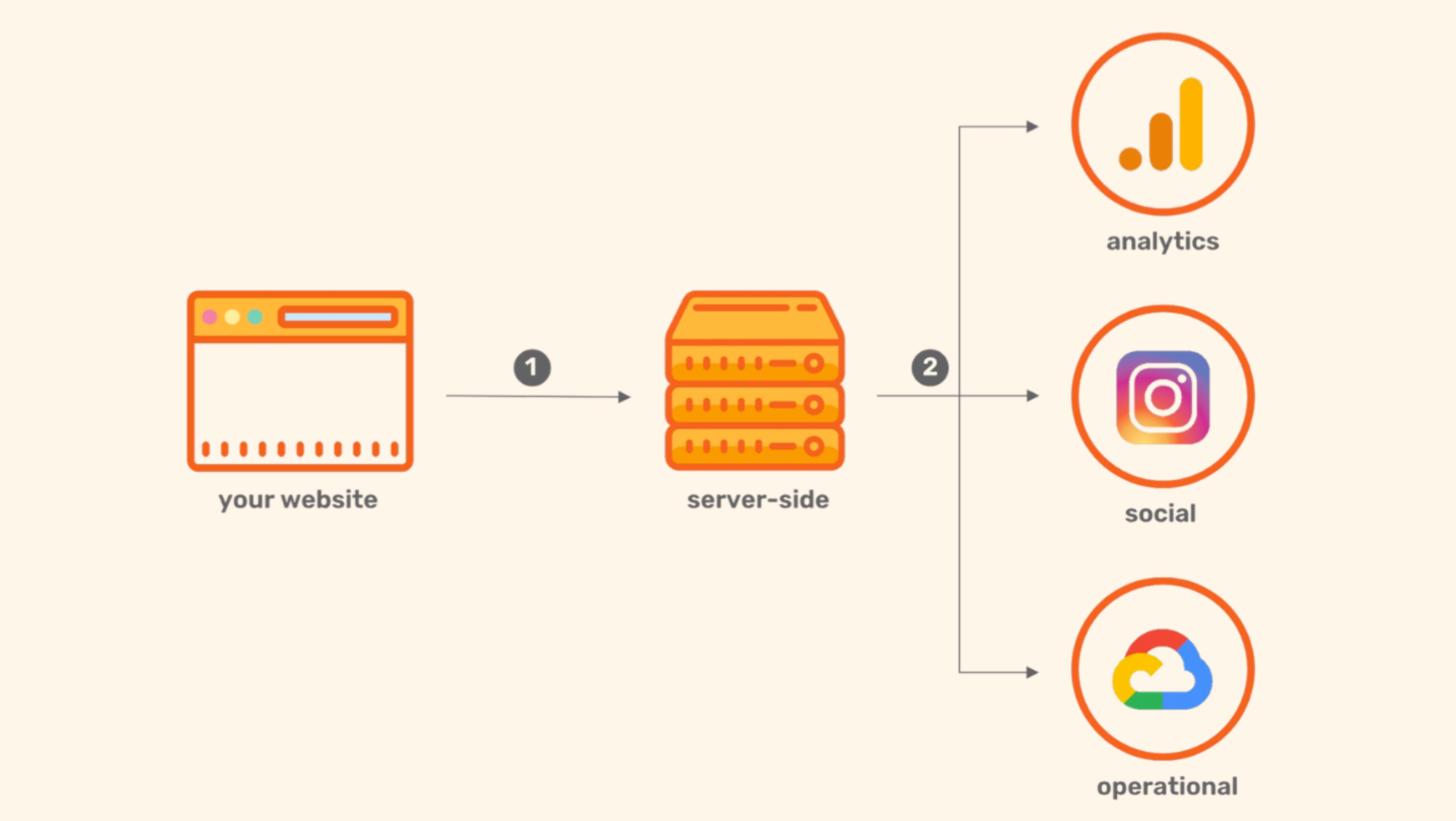
Server-Side tracking eliminates the disadvantages of Client-Side tracking, such as browser settings (Chrome automatically refusing third-party cookies) and adblockers. The collected data will be more accurate and, therefore, more reliable to base decisions on. So, your analytics will provide a more realistic picture of your website's performance.
A second significant advantage is complete control over the data you collect on your website. You are no longer dependent on external trackers to use large online advertising platforms. Through APIs, you can share the necessary data for campaigns with these platforms. Moreover, you decide which data to share. Additionally, you are no longer vulnerable to incorrect implementations of external trackers that can cause data leaks.
By offloading data onto your own servers, it can be enriched with other data sources such as CRM data. This avoids digital data being disconnected from other data such as CRM in business processes. So, you get a more complete picture of your customers and, therefore, more insights.
Moreover, Server-Side tracking ensures faster loading times for a website. Client-Side loading time is reduced because no external scripts need to be loaded in the user's browser.
Server-Side tracking and cookies are both technologies that emerged with the rise of the internet in the '90s. 2024 marks the thirtieth anniversary of the cookie and its end. This, while the other 'old' technology, Server-Side tracking, is considered the forward-looking way of collecting online data.
Exploring Diverse Strategies for Server-Side Tracking
Selecting the optimal Server-Side tracking strategy is pivotal for organisations, as it directly influences the efficacy of data collection and utilisation. With varying complexities and considerations, each strategy presents unique advantages tailored to specific organisational needs.
The right strategy depends on the specific needs of an organisation and varies in complexity to set up. We delve into three distinct implementation strategies, each offering a nuanced approach to Server-Side tracking.
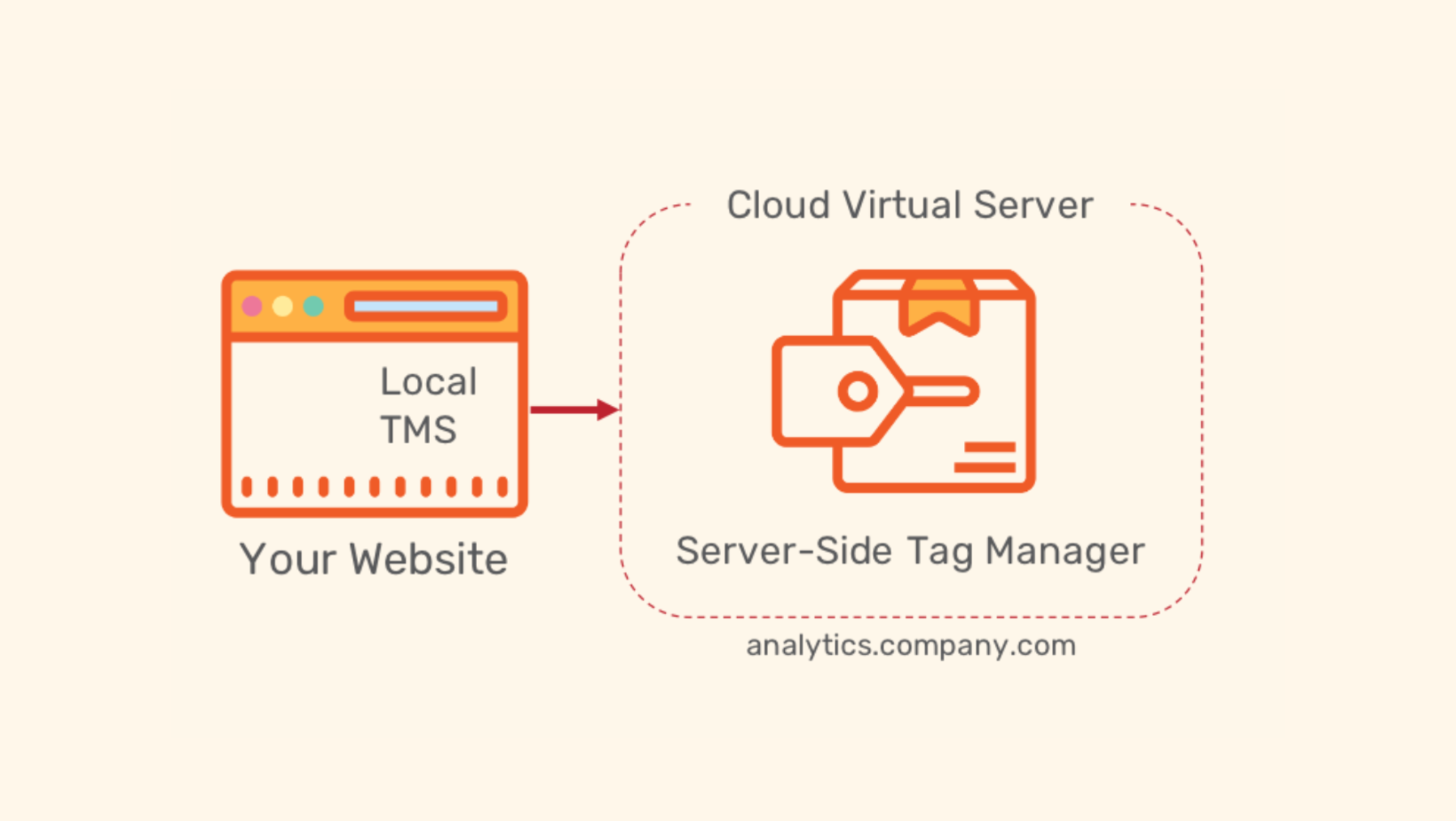
1. Implement a tag management system Server-Side on a first-party domain
A very low effort implementation as no new tools are required. However, this approach still relies on cookies (a first-party cookie) to identify sessions and users.
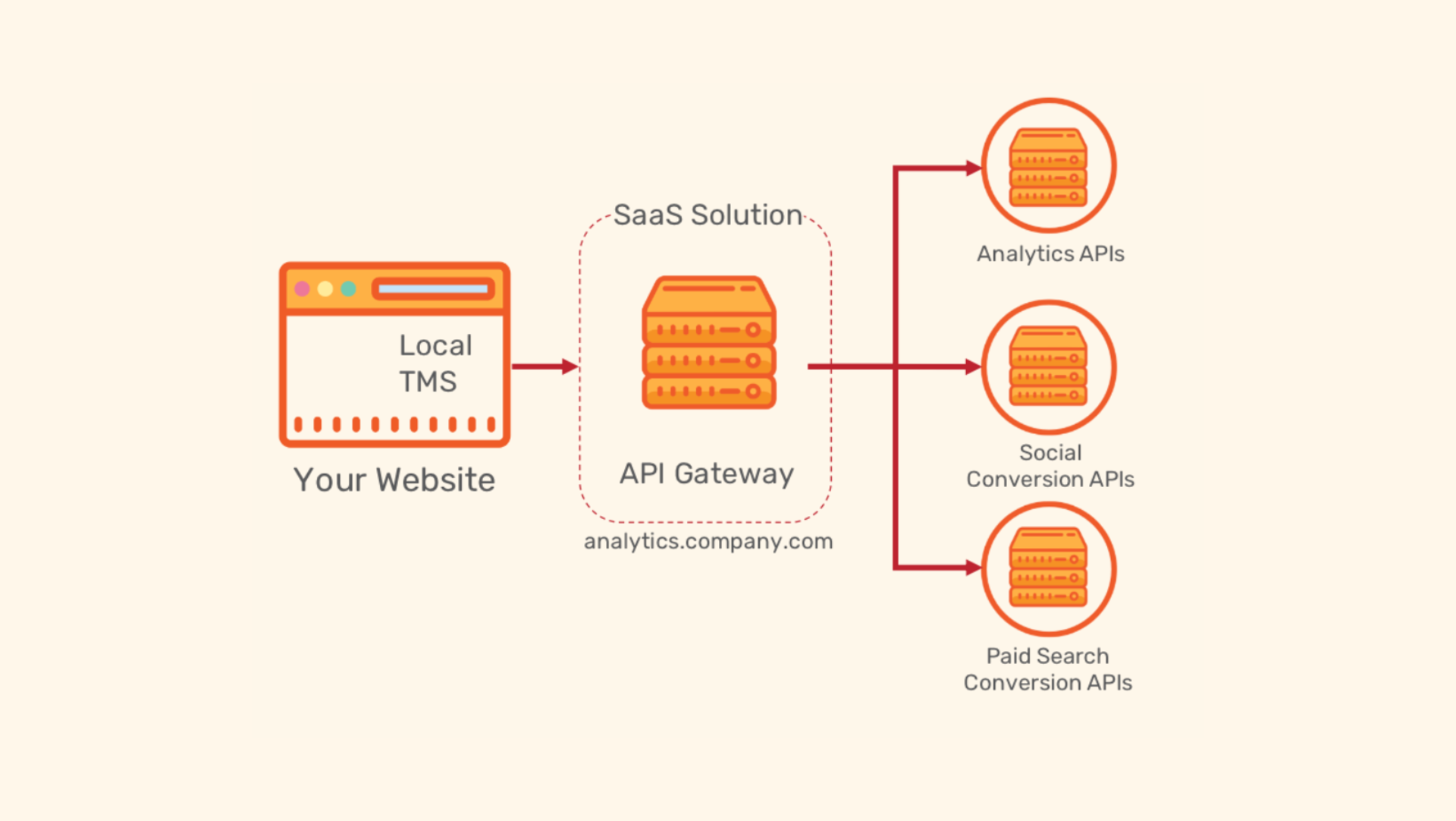
2. Use an API gateway to send server-to-server
This approach takes significantly more effort to implement as it will require additional tools (a SaaS solution) and resources.
This set-up eliminates the dependency on cookies to send conversions to marketing tools. Therefore cookie_IDs can’t be used as identifier. This solution requires the availability of alternative user identifiers. Also, it offers control over which data is shared with the endpoints.
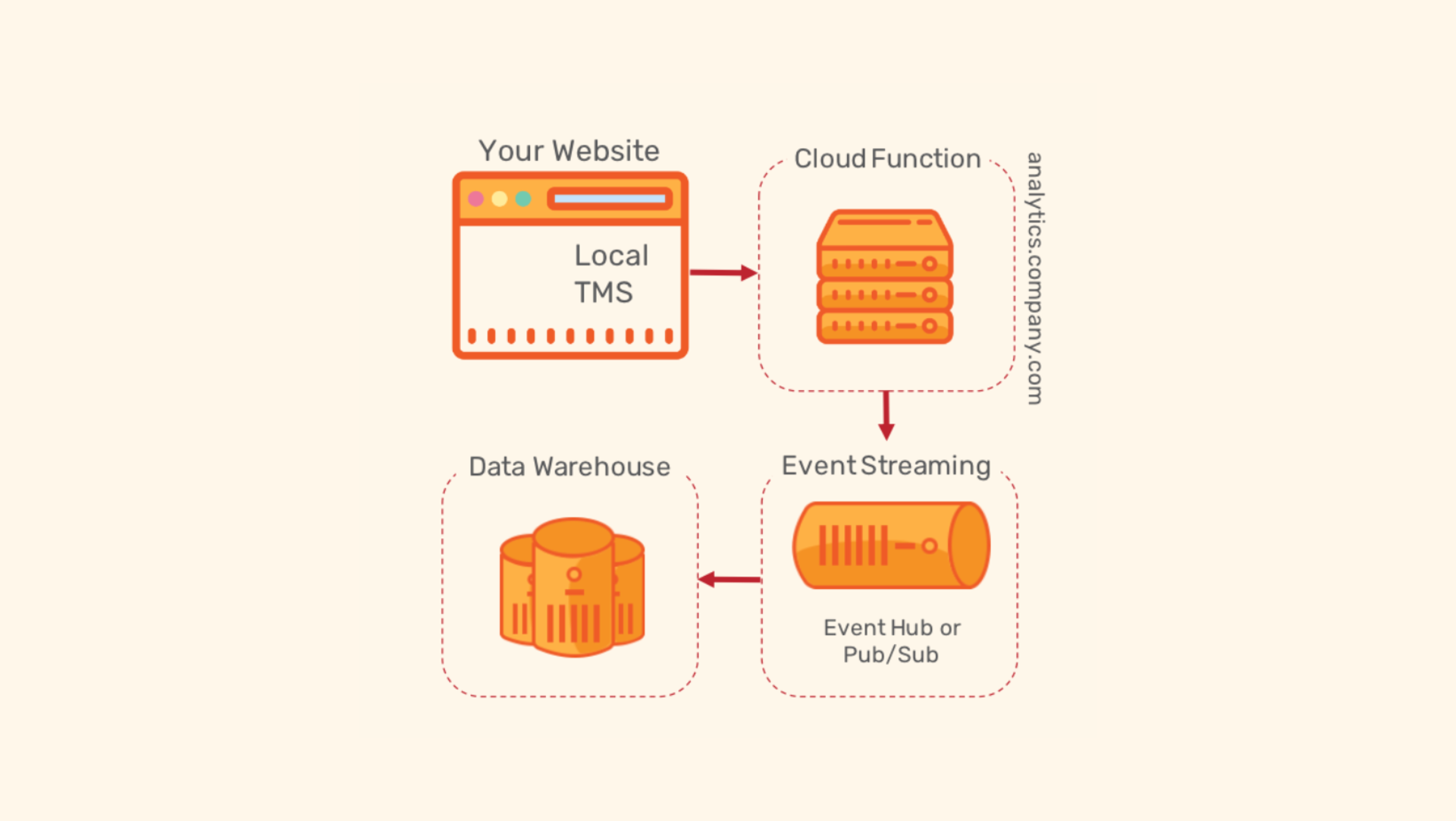
3. Collect clickstream data in real-time in a data warehouse
If real-time availability of clickstream data is important, then consider integrating Server-Side tracking into the enterprise IT-system and collect data directly into a data warehouse.
This approach allows to integrate clickstream data with other customer data, such as CRM data, to create a holistic view of customers. Standard BI tools can be used for analytics, centralising different data sources in one reporting tool.
Also, this approach allows to build a tailored composable stack and integrate Server-Side tracking with f.e. a Customer Data Platform.
Top 5 hyped, but common wrong statements about Server-Side tracking
You can bypass consent when using Server-Side tracking.
Server-Side tracking will solve all third-party cookie depreciation challenges.
Server-Side tracking doesn’t use cookies.
Server-Side tracking guarantees complete use anonymity and privacy protection.
Implementing Server-Side tracking ensures 100% accurate and comprehensive data collection without any limitations.