- Eureka
Eureka! with Jeroen Lemaire (In The Pocket)
Have you checked the news lately? Made a shopping list? Spent money? If you did any of these using your smartphone, you’ve likely been touched by the wonderful world of In The Pocket. At the helm of the studio is Jeroen Lemaire.
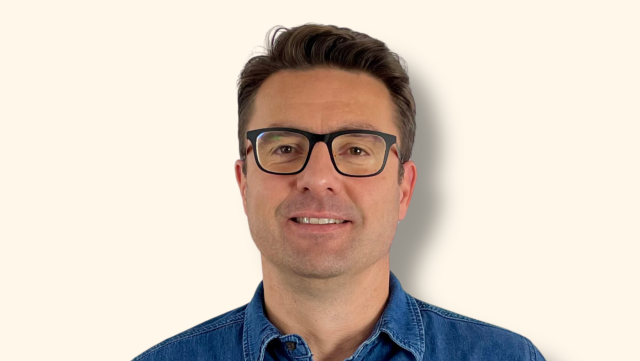
"We need to think at least two years ahead in terms of where the consumer will be."
Have you checked the news lately? Made a shopping list? Spent money? If you did any of these using your smartphone, you’ve likely been touched by the wonderful world of In The Pocket, a leading digital studio based in Ghent and Leuven. At the helm of the studio is Jeroen Lemaire, whose clear-headed way of navigating our digital realm is well-known through his opinion pieces and media appearances. If it’s an epiphany you’re craving, Jeroen is here to sate your appetite.
In addition to his role as CEO of In The Pocket, Jeroen is also a regular contributor to Belgian newspaper De Tijd, where he writes about the impact of technology on our lives. In this edition of Eureka!, we explore how he manages to balance his roles as digital business leader and technology critic.
Jeroen’s Eureka!-moment:
It's exactly because I'm so confident about the positive impact of digital technology that I'm so vigilant about its unwanted side effects.
Jeroen, most people know you as the co-founder and CEO of In The Pocket. Word on the street is that you have a degree in philosophy. What gives?
“You mean how did I end up as CEO with a philosophy degree? Truth be told, I was a rather lousy student. But I was fascinated by philosophy and somehow managed to get a degree. Unsurprisingly, I was about as unemployed as one could possibly be.
“So, like many people at the time, I learned to create websites and somehow got involved in the events sector. I worked for LiveNation and organised several gaming and consumer electronics trade fairs.
“The crisis of 2008 soon caught up with me, however. Several events were cancelled due to budget cuts, and it was back to square one for me... It was around this time that I spent some evenings with Pieterjan Bouten, brainstorming in bars about starting a business in digital. We focused on mobile particularly, which was about to explode. Pieterjan invited his then-colleague Louis Jonckheere to one of those nights and we decided to found In The Pocket.
What – apart from imminent poverty and starvation – convinced you to get into digital?
“I didn’t start my journey with In The Pocket thinking I was going to be CEO one day. I just wanted to make digital tools that people could actually use. When the time came to take the reins, I stepped up, and I haven’t looked back. I’ve always loved technology, but more precisely, I’ve always been fascinated by the way technology shapes our behaviour and the future of humanity.”
I've always been fascinated by the way technology shapes our behavior and the future of humanity.
“In The Pocket continues to grow pretty quickly, which means I basically have a new job every six months. I wake up every morning feeling immense gratitude to be working with so many smart and ambitious people. Also, there’s the unceasing opportunity to constantly try new things.”
In your TED Talk and opinion pieces in De Tijd, you’ve been critical about digital technology and how it hijacks our minds. How do you reconcile this with your job?
“Look, I’m a techno optimist at heart. Where data is collected and applied, democracies are stronger, illiteracy is lower, the quality of education is higher, and even overall health is better. It’s because I’m so convinced of the positive powers of digital progress that I’m vigilant about its side effects.
“It’s true that many consumer apps and even entire industries are built around exploiting psychological vulnerabilities. For people like you and me, this just means that we need to rein ourselves in occasionally and show some discipline. But for vulnerable young people, it can lead to isolation and depression.
“At In The Pocket, we have a pretty well-calibrated moral compass when it comes to which digital products we are willing to create. We’re very conscious about the impact of the user interaction, which data we collect, and how inclusive the final product is. The bottom line: digital products can be economically driven, but we should always look out for unwanted side effects.”
I'm a techno optimist at heart: where data is collected and applied, democracies are stronger, illiteracy is lower, the quality of education is higher, and even overall health is better.
Amid the COVID-19 crisis, you’ve been a vocal critic of telework policies as well.
“I’m not against working from home, but I do have my reservations. There are a lot of ‘studies’ claiming that people working from home are more productive, but they forget to mention that these numbers are self-reported. It may sound harsh, but in the end, individual people who are convinced that they themselves are very productive is not what I’m after. What we need at In The Pocket are teams that have definitive impact.
“I firmly believe people are more resourceful and creative when they work together in the same space. There’s just more trust in each other’s capabilities and the ability to give clear feedback. When everyone’s working from home, you quickly revert to some kind of Taylorism, where everyone is just a cog in a giant machine. That’s detrimental to job satisfaction.”
What emerging digital trends should we be paying attention to right now?
“Unlike with the rise of the internet, mobile or AI, there aren't any obvious paradigm-shifting events happening today. Crypto might be on to something; it is definitely a new paradigm. But its impact on businesses is almost non-existent.
“I believe we have tons of existing innovations that haven't been properly explored and exploited yet. The public cloud for example. People don't realise that most businesses haven't adopted it yet. There is still a massive shift to the cloud ahead of us. And then there's augmented reality, machine learning and even mobile that offer ample opportunity for disruptive new ideas.”
Many people have trouble keeping up with every trend and fad that emerges from the digital world. How are you managing?
“Well, I don’t have much of a choice. At In The Pocket, we’ve decided that we need to think at least two years ahead in terms of where consumers will be. That’s the technology we’re investing in today.
“Personally, I prefer to look at what’s happening internationally, and I try to detect when things are starting to come together – when there’s a certain sense of momentum. This can be in the form of progress or innovation in a specific field, when big tech players are starting to invest in something, or when users seem to flock to a specific thing.”
At In The Pocket, we need to think at least two years ahead in terms of where consumers will be. That's the technology we're investing in today.
Is there a ‘digital guru’ you turn to for guidance yourself?
“We’ve had a lot of great speakers at our annual Shift conference, like analyst Benedict Evans and philosopher Nick Bostrom. However, I don’t really believe in having one unique ‘role model’ in the tech sector. I try to learn from everyone I meet and in my free time, I mostly read history books.
“The closest thing I have to a role model is the stoic philosopher and Roman emperor Marcus Aurelius. I guess that, after all this time, my fascination for ancient philosophy is still alive and kicking.”