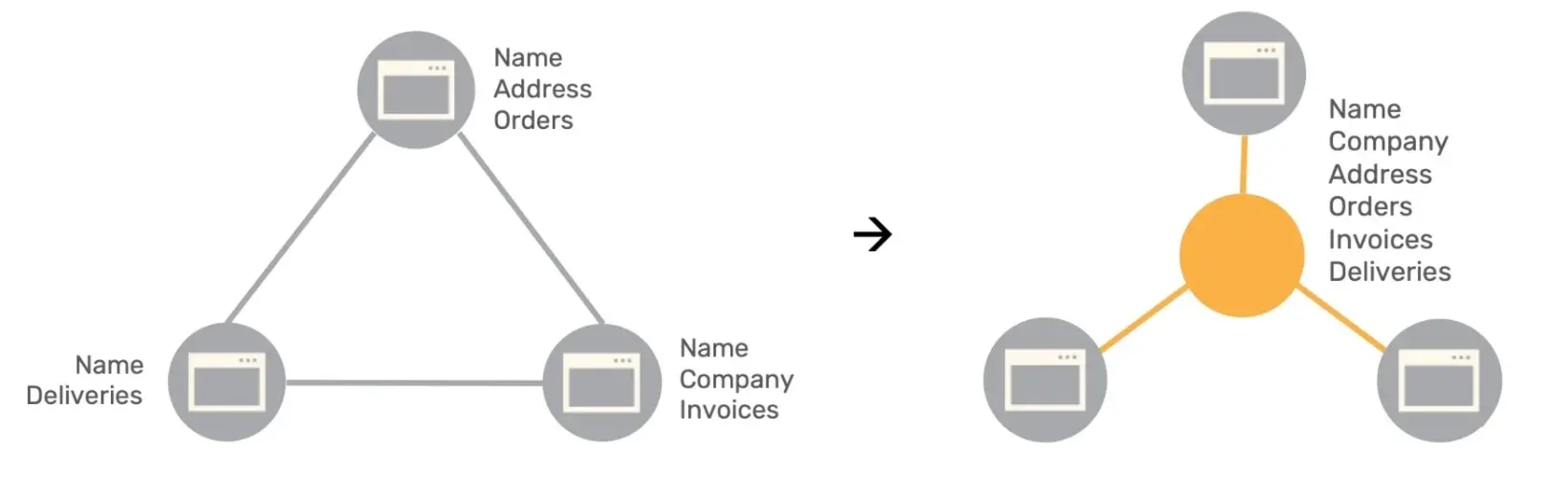
Data as a key asset
Over the years, organisations have traversed eras where money, intellectual property, and human capital took centre stage. However, the digital age has ushered in a paradigm shift, making data the true game-changer.

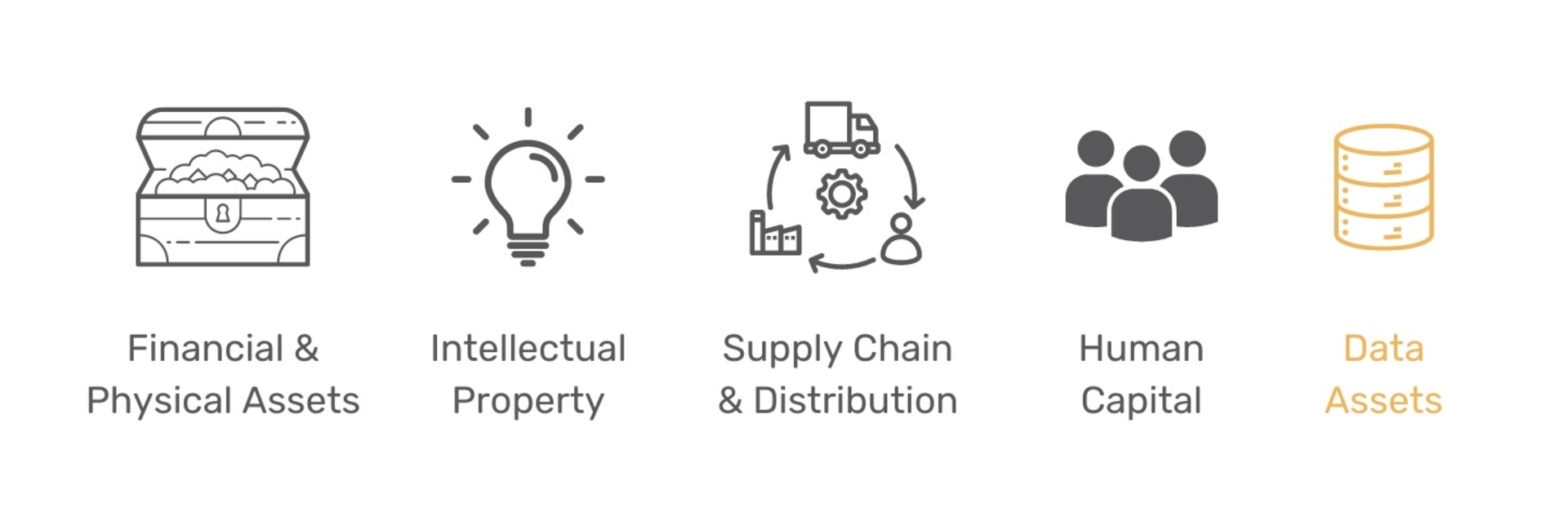
Over the years many different assets have been of strategic importance to organisations. In the first half of the last century money and its purchasing power were strategic importance. The paradigm shifted towards recognising intellectual property as a vital asset, marking the advent of a knowledge-based economy that favoured white-collar over blue-collar jobs. Next, powered by globalisation a large supply chain and distribution network became key assets, and more recently human capital became a focal point in the "war on talent."
However, the true game-changer arrived with the age of digital transformation, where data became ubiquitous. Organisations capable of harnessing data effectively found themselves gaining a significant competitive edge. Early on, tech companies understood this concept, exemplified by the fact that giants like Google and Facebook seemingly know customers better than they know themselves. In this digital era, data serves as the currency that grants users free access to platforms like Google and Facebook, prompting the realisation that users are not the customers but rather the products.
Amazon, a trailblazer in this space, initially ventured into data-driven services through product recommendations and later pioneered cloud services, further solidifying their role as data leaders.
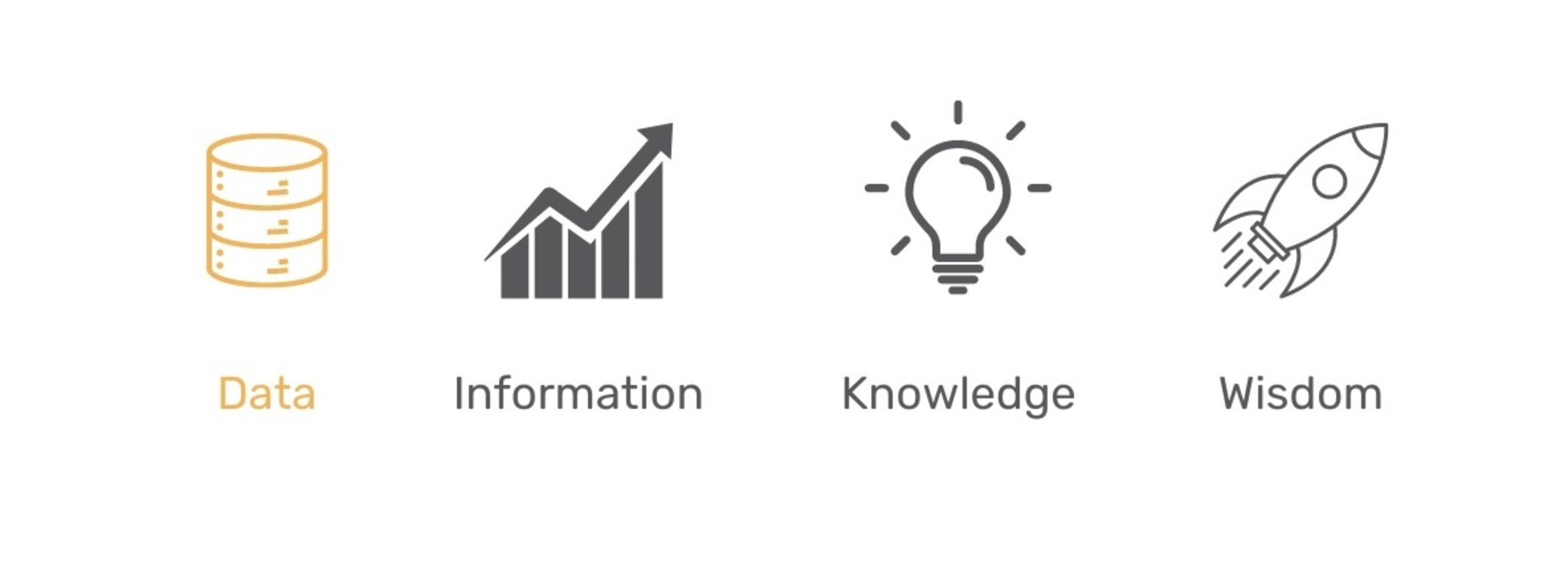
Collecting loads of data isn’t enough, however. And in that sense, the adage of ‘data is the new oil’ rings true. Just like crude oil, data needs to be processed and refined before extracting value from it. To use a different analogy, if you were a baker, data would be your raw ingredients like flour, sugar, and eggs. Your recipe, how different ingredients are combined, is the information. Knowledge is figuring out how the process works: for example, adding baking powder to your cake will help it rise thanks to a chemical reaction. Wisdom, ultimately, is the ability of the baker to adapt the recipe and make it better based on new ingredients and experience.
Considering data as a key asset also means putting data in the centre, not applications. An application-centric approach focuses on functionality, with the purchase, development, and deployment of software applications. Because data isn’t on the list of requirements, data tends to be siloed in individual applications and an accurate single source of truth for common information is usually lacking. With a data-centric approach, data is treated as a shared resource and the focus lies on managing data assets, regardless of the applications that generate or consume the data.
In practice, organisations often adopt a hybrid approach, considering the specific needs of both applications and data. The goal is to strike a balance that enables efficient application development while ensuring that data is interoperable. Regardless of the approach, effective integration strategies, such as APIs, data warehouses, and data lakes, play a crucial role in facilitating communication between applications and ensuring a more cohesive data environment.